
Most paid social accounts today don’t have a targeting problem. They have a creative problem. Since privacy changes reshaped how Meta, TikTok, and Pinterest read user behavior, creative has become the strongest signal you actually control. It decides who the algorithm shows your ads to, how long someone watches, and whether they buy.
That’s what ad creative strategy really is: a system that connects your audience, offer, and message to what gets produced, tested, and scaled. This guide breaks down what it means, why it matters right now, and how to build one that holds up across every platform you’re running on.
What Is Ad Creative Strategy?
Ad creative strategy is the planning layer behind your ads. It’s the thinking that happens before a single hook, script, or design gets made. It maps out who you’re talking to, what they need to hear at each stage of awareness, which formats will carry that message, and what gets tested next.
This is different from creative production. Production is the execution: filming a UGC video, designing a static, writing ad copy. Creative strategy for ads is the direction that makes production worth doing. Without it, teams keep making more content without knowing if any of it solves the right problem.
Why Ad Creative Strategy Matters More Than Ever
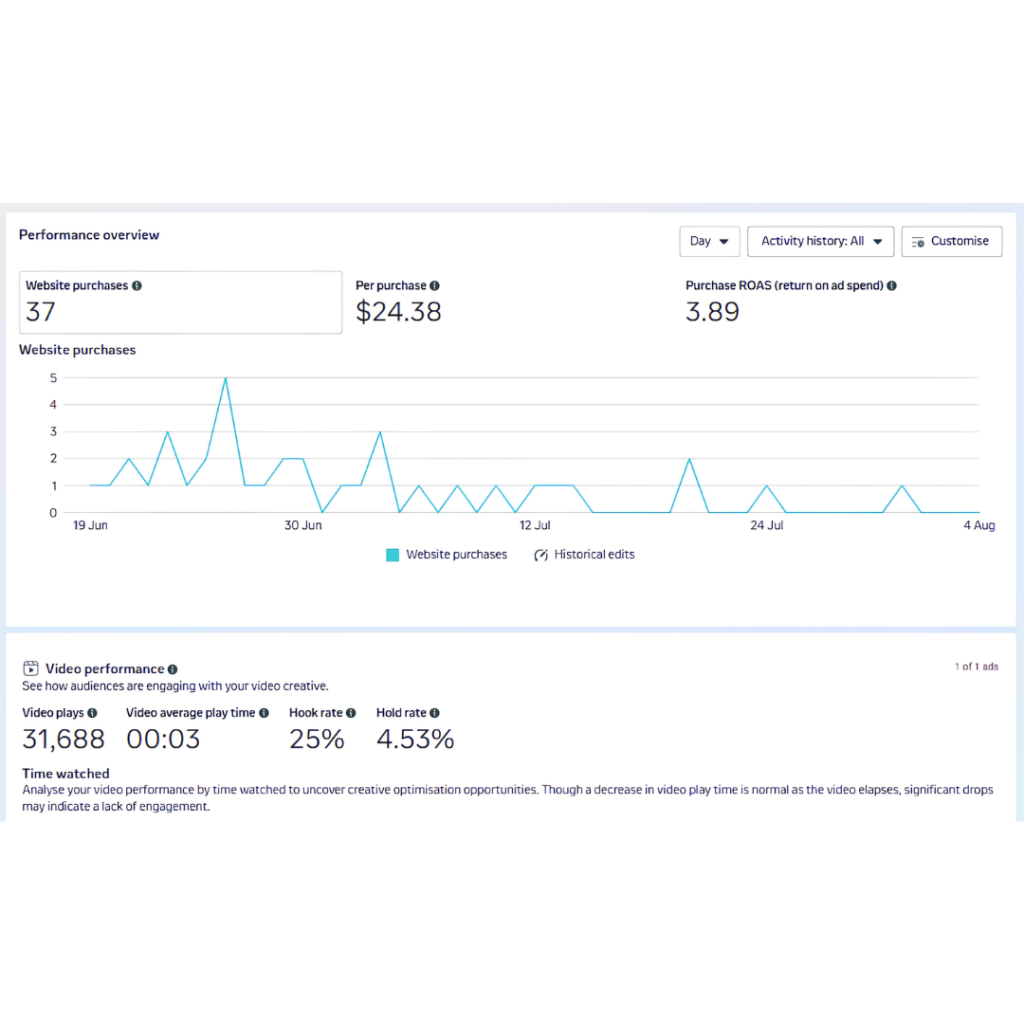
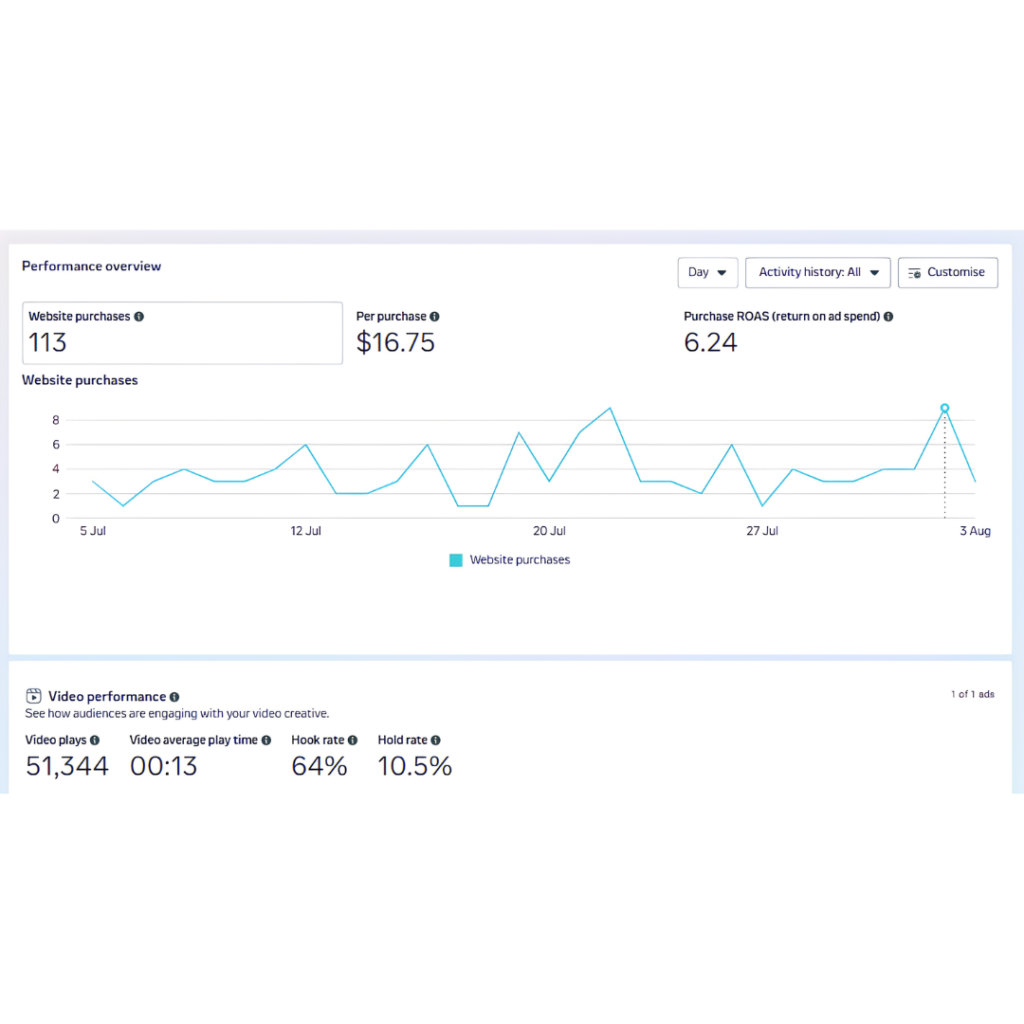
A few years ago, precise targeting could carry weak creative. That lever is mostly gone now. Meta, TikTok, and Pinterest rely on creative signals like watch time, hook rate, and engagement to decide who sees your ad and how far your budget stretches.
That shift means creative isn’t a downstream task anymore. It’s the input the algorithm learns from. Brands that treat creative strategy as a real discipline get more out of the same budget, while brands still guessing at hooks watch their costs climb.
The Core Components of a Strong Creative Strategy for Ads
A working creative strategy usually covers five things.
Audience and awareness mapping. Not just demographics, but what stage of awareness someone is in, what they already believe, and what’s stopping them from buying.
Hooks and angles. The first two to three seconds decide whether someone keeps watching. A strong strategy maps out several angles, such as pain point, curiosity, social proof, and contrarian take, instead of leaning on one idea forever.
Messaging and proof. What claim are you making, and what backs it up? Reviews, results, demos, and comparisons each do a different job depending on where the buyer is.
Format mix. UGC, static ads, and produced video each carry a message differently. Strategy decides which format fits which angle, not the other way around.
A testing roadmap. What’s launching next, what variable it’s testing, and how you’ll read the result. Without this, testing turns into guessing with a bigger budget.
How Paid Social Creative Strategy Differs by Platform
Paid social creative doesn’t travel well between platforms untouched. Each one rewards a different kind of attention.
On Meta, the algorithm favors angle diversity. You need several distinct hooks running at once so the system can find which message resonates with which segment.
On TikTok, creative has to feel native. Overly polished ads get scrolled past. The best-performing content looks and sounds like it was made by a creator, even when it’s strategically scripted underneath.
On Pinterest, the buying cycle is longer and intent-driven. Creative needs to be keyword-aware and worth saving for later, not just worth a quick tap.
A real ad creative strategy accounts for these differences instead of repurposing one Meta ad across every channel.
Common Mistakes in Creative Strategy for Ads
Even brands spending real budget on paid social fall into the same patterns:
- Chasing trends instead of buyer psychology. A trending sound earns attention, but it won’t replace a clear reason to buy.
- Testing without a hypothesis. Launching five different videos with no plan for what each one is testing makes results impossible to read.
- Ignoring creative fatigue. CPMs creep up and frequency climbs long before anyone notices the same ads have run for two months straight.
- Splitting creative from media buying. When the people making ads never see the performance data, strategy and execution drift apart.
How to Build a Creative Testing Framework
- Audit what’s already running. Identify what’s working, what’s fatiguing, and what’s unclear before producing anything new.
- Set a hypothesis for every test. Each new ad should test one variable, such as a hook, an angle, or a format, not five at once.
- Prioritize the test queue. Rank ideas by expected impact and effort, not by whatever’s easiest to film.
- Read results cleanly. Separate what actually changed performance from what just correlated with it.
- Scale and refresh on a schedule. Winning ads still fatigue. Build in a refresh cadence before performance drops, not after.
When to Bring In a Creative Strategy Partner
Some teams have production covered, with a designer, an editor, and a roster of creators, but no one connecting that output to a testing system or the performance data. That gap is usually where ad spend gets wasted, not the media budget itself.
If that sounds familiar, working with a dedicated creative strategy partner can close it. Instead of adding more hands to produce content, it adds the direction that tells your existing team what to make next and why.
Final Thoughts
Ad creative strategy isn’t a one-time document. It’s a system you keep feeding with performance data, buyer insight, and fresh angles. Brands that treat it that way spend less time guessing and more time scaling what already works. The ones that skip it end up rebuilding their creative pipeline every time performance dips.
Frequently Asked Questions
What is ad creative strategy?
Ad creative strategy is the planning behind what your paid social ads say, show, and test. It covers hooks, angles, messaging, audience awareness, format mix, and a testing roadmap, connecting your ad ideas to actual performance goals.
How is creative strategy different from creative production?
Creative strategy is the direction, meaning what to say and why. Creative production is the execution, meaning filming, designing, and editing the actual ad. Strategy is what makes production worth doing.
How often should you refresh ad creatives?
It depends on spend and audience size, but most brands see fatigue signals like rising CPMs, dropping hook rate, and climbing frequency within two to four weeks. A good creative strategy builds in a refresh cadence instead of waiting for performance to drop first.
What makes a good hook for paid social ads?
A strong hook grabs attention in the first two to three seconds by speaking to a real pain point, curiosity gap, or bold claim. It should match the audience’s awareness stage, not sound generic.
Do TikTok and Meta need different creative strategies?
Yes. Meta rewards angle diversity and lets the algorithm test hooks across audiences. TikTok rewards creative that feels native and creator-led rather than polished. A strategy built for one rarely performs as well left untouched on the other.
How do you know if your ad creative strategy is working?
Look past surface metrics like views. Track hook rate, watch time, and how creative performance connects to cost per purchase and ROAS over time, not just how one ad did in isolation.

